Pet Sitting vs. Boarding

In-home pet sitting keeps a pet in its own house, because a sitter visits or stays there instead of the pet traveling to a facility. Boarding places a pet at a facility, usually alongside other animals and with staff on-site. Neither is the correct answer for every pet, and this is a genuinely two-sided decision, not a choice with one obvious winner.
In-home sitting tends to suit anxious pets, cats, and pets with a strict daily routine, because staying in a familiar environment keeps their scent trail, hiding spots, and schedule intact. Boarding tends to suit pets that need constant supervision or frequent medical monitoring, or highly social dogs who genuinely enjoy being around other animals more than they mind time alone between visits. Cost structures also differ: in-home sitting is typically billed per visit or per day, while boarding is typically billed per night, so the total often comes down to how many pets are involved and how long the trip runs. Owners without a trusted key-holder, or those who want on-site staff available at all hours, may find boarding solves a real logistics problem that in-home sitting cannot.
For San Antonio pet owners weighing both options before a trip, this guide breaks down when each one makes sense, then points toward the local pet-sitter listings for readers whose situation favors staying home.
What’s the Difference Between Pet Sitting and Boarding?
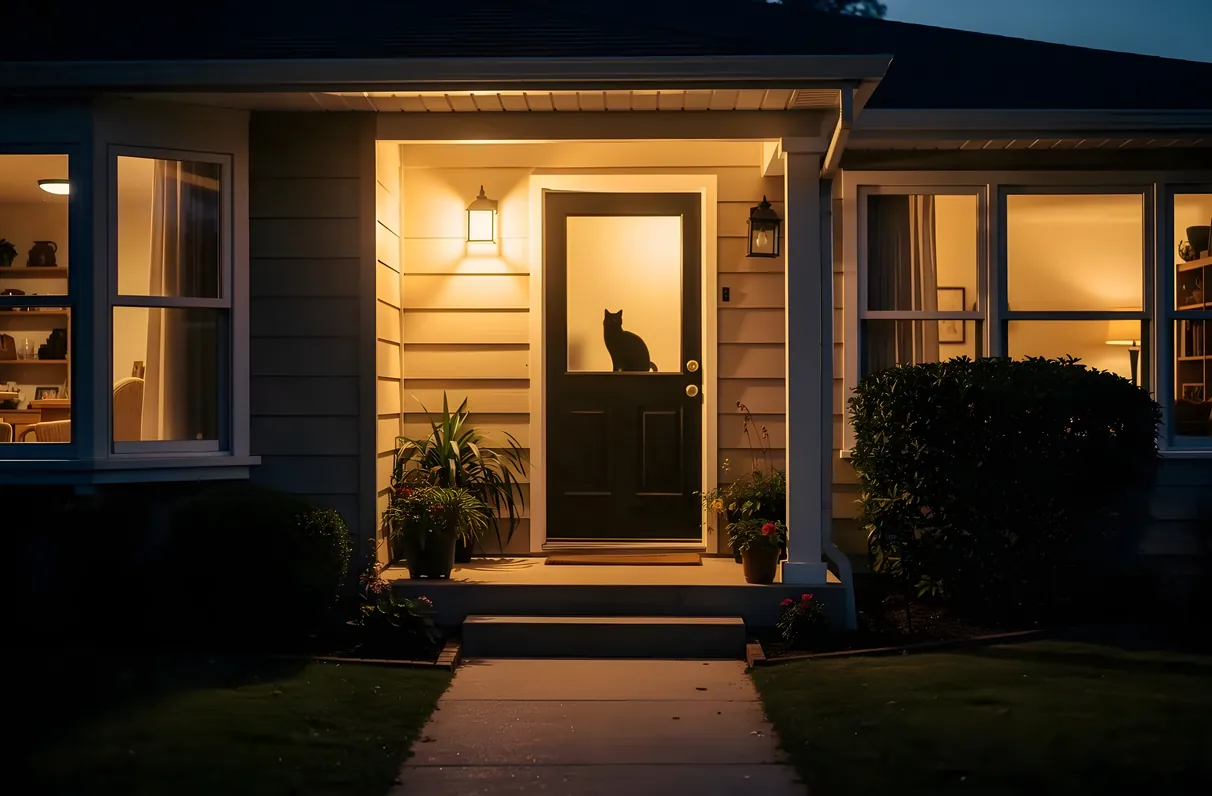
In-home pet sitting means a sitter comes to the owner’s home, either for scheduled drop-in visits throughout the day or for overnight stays where the sitter remains in the house the whole time. The pet never leaves its own environment: same yard, same food and water bowls, same window it likes to watch the street from. Boarding means the pet leaves home and stays at a facility built specifically to house animals while their owners are away, typically with staff working shifts and other animals present in nearby kennels, runs, or shared spaces.
Both are established, legitimate ways to care for a pet during travel. Neither is a workaround for the other, and the right choice depends on the pet in front of you, not on which option sounds more modern or more traditional. A small number of San Antonio in-home sitters also offer a hybrid model, boarding pets in the sitter’s own home rather than at a commercial facility. That arrangement splits the difference: the pet leaves its own house, but stays in a residential setting with one caregiver rather than a facility with rotating staff and a larger group of animals. It’s worth asking about directly if neither a strict at-home visit nor a commercial facility feels like quite the right fit.
Neither is a workaround for the other, and the right choice depends on the pet in front of you.
When In-Home Pet Sitting Is the Better Fit
Pets with separation anxiety often do better staying in a familiar environment than adjusting to a new one during an already-stressful week. A dog that paces or barks when its routine shifts, or a cat that hides for days after any change, tends to settle faster with a familiar house, a familiar smell, and one consistent sitter checking in, rather than a facility full of new sounds and unfamiliar animals.
Cats in particular are frequently described as doing better without a change of environment. Cats are territorial by nature, and most adjust to a facility stay more slowly than dogs do, if they adjust at all during a short trip. Staying home with a sitter keeps a cat’s hiding spots, scent markers, and daily rhythm untouched, which matters more for cats than it does for many dogs.
Multi-pet households often find that a single in-home sitter handling every animal, at the same time, in the same visit, is both simpler and less costly than boarding two or three pets separately. One sitter feeding the dog, scooping the litter box, and checking on the fish tank in one visit is a different logistical picture than coordinating boarding drop-off and pick-up for multiple animals with potentially different facility requirements.
Is in-home pet sitting better than boarding? Not universally, but for these specific situations, yes: anxious pets, cats, pets locked into a strict medication or feeding schedule, and multi-pet households all tend to do better staying home. The common thread is a pet whose stress or health depends on consistency, and in-home sitting is built to preserve exactly that.
Owners considering this route do need one thing boarding doesn’t require: a trusted key-holder, someone with legitimate access to the home while they’re away. For dogs specifically, in-home dog sitting covers everything from a quick midday visit to a full overnight stay, and some owners prefer house sitting, where the sitter stays overnight in the home the entire time rather than checking in for shorter visits throughout the day.
When Boarding Is the Better Fit
Boarding is the better call for a real, substantial set of pets and situations, not a fallback for owners who couldn’t find a sitter. Pets that need round-the-clock supervision or frequent medical monitoring, such as a dog recovering from surgery or a cat managing a condition that requires checking multiple times a day, are often safer at a facility with staff on-site continuously than with a sitter working scheduled visits. One person checking in a few times a day, however reliable, cannot match the coverage of a facility with someone present at all hours.
Highly social dogs are a second real case for boarding, not a hedge. Some dogs genuinely thrive around other animals and people, and for those dogs, a facility with a group of other pets and near-constant activity may be more enjoyable than an empty house between a sitter’s visits. An owner assuming their social, high-energy dog needs to stay home out of loyalty may actually be picking the less enjoyable option for that specific dog.
Owners who don’t have, and can’t arrange, a trusted person to hold a house key face a practical constraint that boarding simply removes. Not every household has a neighbor, family member, or friend they’re comfortable handing a key to, and manufacturing that trust for the sake of avoiding boarding isn’t a good trade. Boarding also appeals to owners who want the peace of mind of staff physically present around the clock, rather than a single sitter checking in on a schedule, particularly for a first trip away from a new pet or a pet with an unpredictable temperament.
Is boarding stressful for pets? For some, yes. For others, no, and the “some” matters as much as the “no” here. A facility stay disrupts a pet’s environment and routine, which is exactly what makes it harder on anxious or territorial pets. But a social dog who enjoys other animals, or a pet whose medical needs genuinely require on-site staff, isn’t experiencing that disruption as a negative at all. Treating boarding as universally stressful ignores the pets it actually suits.
Comparing Cost, Stress, and Supervision Side by Side
The table below lays out the structural differences between the two options. Neither column is “better” across every row; the right fit depends on which factors matter most for a specific pet and trip.
| Factor | In-Home Pet Sitting | Boarding |
|---|---|---|
| Where the pet stays | Its own home | A boarding facility |
| Typical billing unit | Per visit or per day | Per night |
| Supervision style | Scheduled visits or an overnight stay | On-site staff around the clock |
| Environment | Familiar surroundings, no other animals present | Shared space, other animals present |
| Best suited for | Anxious pets, cats, routine-sensitive pets, multi-pet households | Social dogs, pets needing frequent medical monitoring, owners without a trusted key-holder |
| Key requirement | A trusted person to access the home | Advance facility booking, especially around holidays |
For a detailed breakdown of what to expect on cost, see how much a pet sitter costs in San Antonio.
Special Situations: Medication, Anxiety, and Multi-Pet Households
Pets on a strict medication schedule sit at the intersection of both options, and the right answer depends on how complex the need is. Some in-home sitters in San Antonio offer medication administration as a named service, including insulin injections and other scheduled doses, which lets a pet stay home while still getting its medication on time. For a stable, well-managed condition, that arrangement often works well. But a pet with a complex or urgent medical need, one that could change quickly or require a judgment call between doses, may genuinely be safer at a facility with staff on-site around the clock rather than relying on a sitter’s scheduled visits alone.
For anxious pets, in-home sitting is generally the gentler option, for the same reasons covered above: familiar environment, consistent routine, one person instead of a facility full of unfamiliar animals. The exception worth naming honestly: a dog that has boarded before and shown no signs of distress, especially a social dog who enjoys other animals, may not experience anxiety at a facility at all. Anxiety is a property of the individual pet, not a fixed rule about boarding itself.
Multi-pet households with mixed needs are where this decision gets genuinely more useful to think through carefully, because a household doesn’t have to pick one option for every animal. A cat with a history of hiding for a week after any disruption and a young, social dog who loves other animals don’t need the same plan. The cat can stay home with a sitter maintaining its normal routine, while the dog boards and gets the group activity it may actually prefer. Splitting the household this way, rather than treating pet care as one binary decision covering every animal at once, is often the option that best serves each individual pet.
Do I need to leave a key with a pet sitter? For in-home sitting, yes, someone needs legitimate access to the home, whether that’s the owner handing over a key directly or arranging a lockbox or smart lock. For boarding, no key changes hands. Both options require some form of advance planning, though: in-home sitters and boarding facilities alike tend to book up around holidays, so reaching out well ahead of a trip matters either way.
How to Decide for Your Pet
Instead of re-reading the two sections above every time a trip comes up, run through these questions for the specific pet in question:
- Does this pet get anxious or withdrawn when its routine changes? If yes, in-home sitting is the stronger starting point.
- Does this pet need medication or monitoring on a schedule? If it’s a stable, well-managed condition, an in-home sitter offering medication administration may cover it. If the condition is complex or could shift quickly, lean toward a facility with staff on-site continuously.
- Does this pet genuinely enjoy being around other animals, or does it prefer being left alone? A social dog who lights up around other pets is a real candidate for boarding, not just a consolation option.
- Is there someone trustworthy who can access the home while the owner is away? If not, and arranging one isn’t realistic, boarding removes that requirement entirely.
- Is this a multi-pet household with different personalities or needs? If so, consider whether splitting care, one pet boarding, one staying home with a sitter, actually serves each animal better than a single household-wide decision.
Frequently Asked Questions
Is in-home pet sitting better than boarding?
Neither is universally better. It depends on the pet. In-home sitting tends to suit anxious pets, cats, and pets with a strict daily routine, because the pet stays in a familiar environment. Boarding tends to suit pets that need constant supervision or medical monitoring, or very social dogs who do well around other animals.
What’s the difference between pet sitting and boarding?
An in-home pet sitter visits or stays at the owner’s house, so the pet never leaves its own environment. Boarding means the pet stays at a facility, usually alongside other animals and with on-site staff.
Is it better to board a cat or leave it at home with a sitter?
Most cats do better staying home with a sitter, since cats are generally more sensitive to changes in environment and territory than dogs. An in-home visit or overnight stay keeps a cat’s routine, scent environment, and hiding spots intact. That said, a cat with an ongoing medical condition that needs frequent monitoring may still be better served by a facility with staff on-site.
Finding an In-Home Pet Sitter in San Antonio
For readers whose pet fits the in-home profile, anxious, territorial, on a strict routine, or part of a multi-pet household with mixed needs, the next step is finding a sitter whose services match. San Antonio has a range of experienced in-home pet sitters, from dog-walking specialists to sitters who handle overnight stays and even farm-animal care. Browse San Antonio pet sitters to find one whose services fit your pet’s specific needs, whether that’s a quick daily visit, medication administration, or a full overnight stay in the home.
For pets that fit the boarding profile instead, that’s a legitimate, well-supported choice too, not a consolation prize. A social dog who thrives around other animals, or a pet with a medical need that benefits from round-the-clock, on-site staff, is often genuinely better served at a facility. Whichever option fits a specific pet, see what to check before hiring a pet sitter before committing, since the same vetting questions (credentials, references, a clear plan for emergencies) apply whether the choice lands on in-home care or a boarding facility.